

It's Mine First.
Sharing, waiting, and finding the third idea.

When your child grabs a toy and won't let go, it's easy to read it as selfishness. It isn't. It's a 3–5 year old brain doing exactly what 3–5 year old brains do — and understanding that changes everything about how you respond.
Children this age are still building the cognitive ability to hold two needs in mind at the same time — theirs and someone else's. It's not a character flaw. The wiring is literally still forming. Sharing feels like loss to them because right now, it is loss. Your job isn't to make them share. It's to help them practice finding the third idea — until one day their brain does it on its own.
When you see a sharing conflict start to build — resist the urge to solve it. Stay close, stay calm, and give them 30 extra seconds before you step in. You'll be surprised how often they find the third idea on their own when the space is held for them.
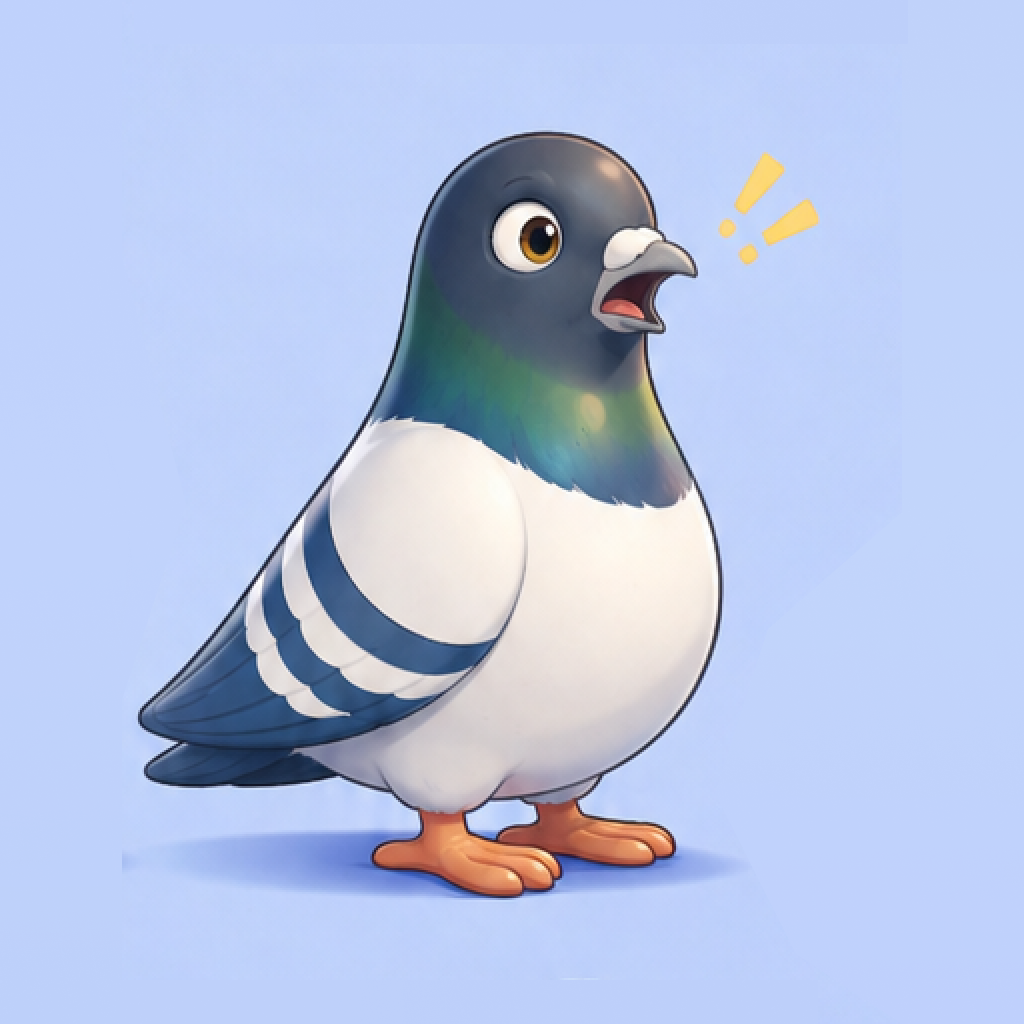
The Car
There was one red car 🚗.
Smidgeon saw it first. He was sure he saw it first. He walked right over and picked it up.
But before he even made it one inch down the road — his friend Pip was right there.
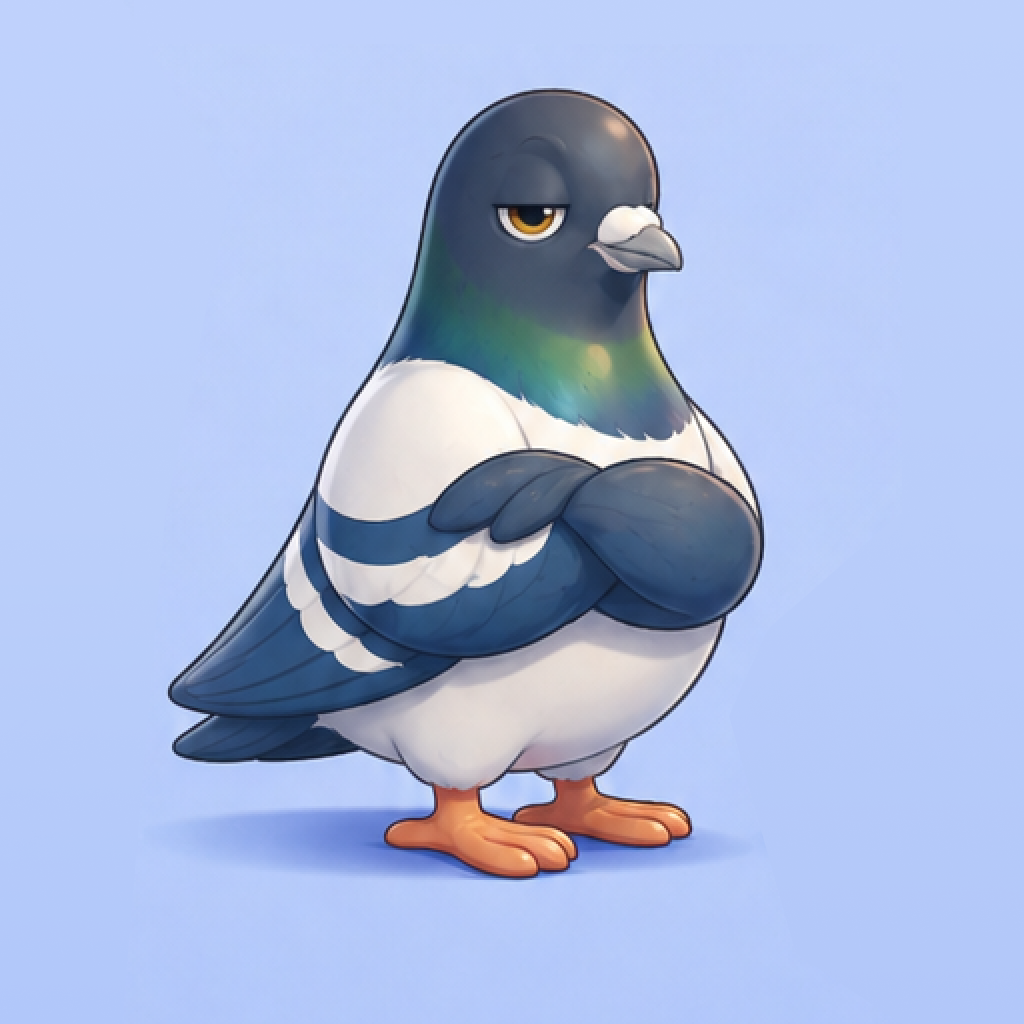
The Feeling
He didn't want to share it. He really, truly, completely did not want to share it.
And that feeling? That feeling was real. It was okay to have it.
But Smidgeon also knew: Pip was his friend. And friends were more important than cars 🤝.
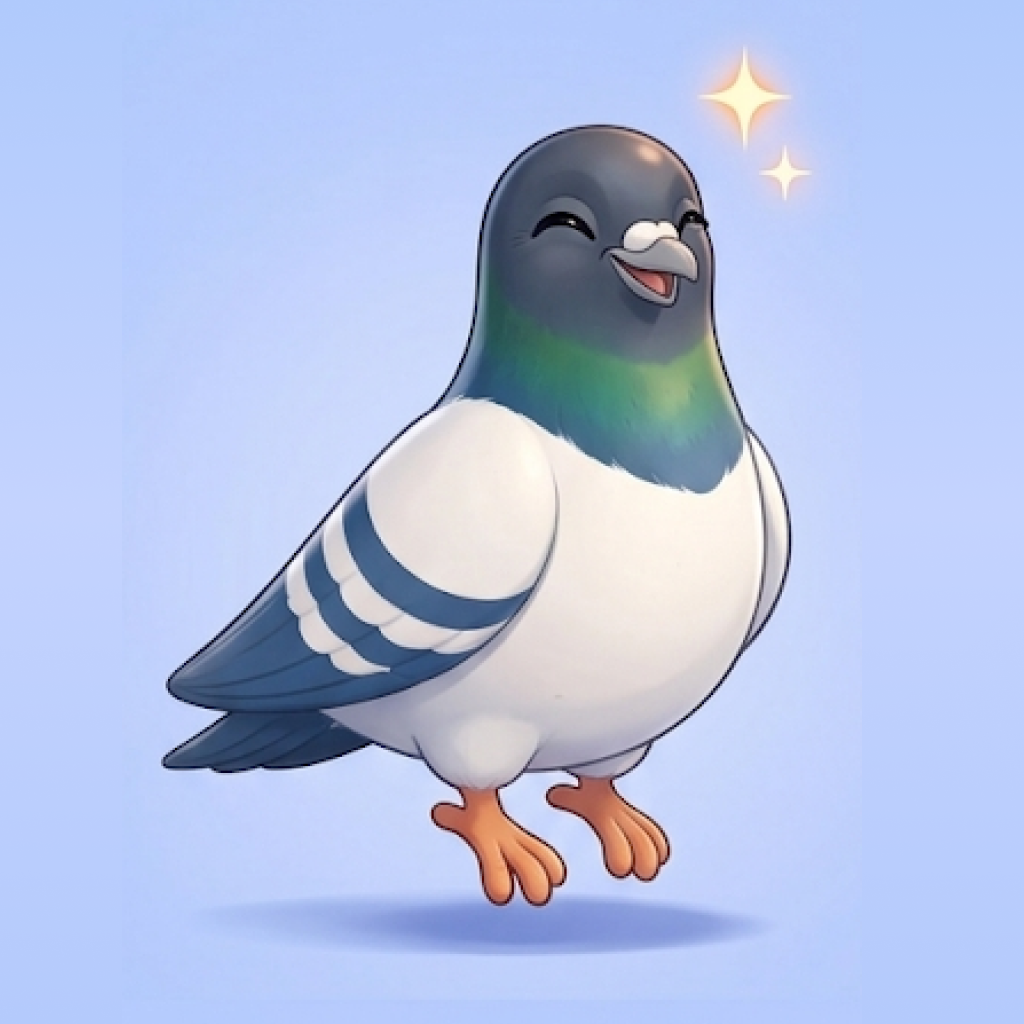
The Third Idea
Smidgeon looked at Pip. Pip looked at Smidgeon. Both of them looked at the car 🚗.
Smidgeon had an idea. Not Smidgeon's idea. Not Pip's idea. A third idea. A brand new one ✨.
Nobody remembered who saw it first.
This game is called The Third Idea Game. It practices exactly what Smidgeon and Pip did — finding a solution neither person started with. Play it when things are calm so it's in their body before the hard moment comes.
Notice the moment your child's face shifts from "I want what I want" to genuine curiosity about the new idea. That shift — even for half a second — is the whole thing. Name it: "I just watched you think of something brand new. That's hard to do."
Answer whatever feels most true. No right answers. Messy is useful. A single sentence is enough.