

The Hard Stop.
Leaving before you're ready, and how to make it less like a war.

Transitions are the number one flashpoint in early childhood. Bath to bed. Park to car. Playtime to dinner. Screen off. Every one of these is a small loss — and for a 3–5 year old brain, loss is loss, even when it's small. The meltdown isn't defiance. It's grief. And grief needs a bridge, not a command.
Children this age live almost entirely in the present moment. When something good is happening, it is the whole world. The concept that a good thing will come again tomorrow requires time-based thinking their brain is still building. When you say "time to go," they're not being dramatic. They genuinely cannot yet fully trust that the good thing will return. Your job is to build that trust, transition by transition.
Pick one recurring transition that's always hard and add a 5-minute warning every single time this week. Not as a negotiation. Just as information. "Five more minutes." That's it. Notice whether the transition goes any differently when the ending isn't a surprise.
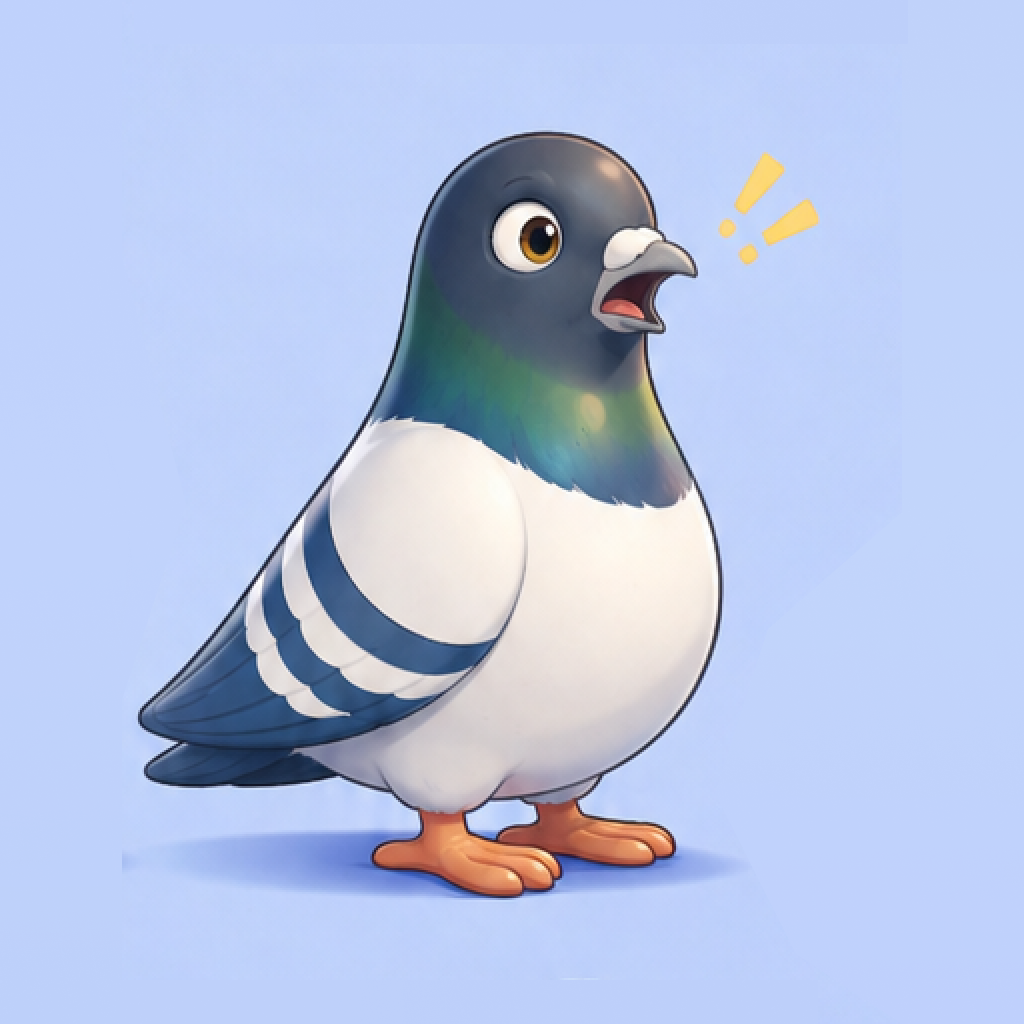
Not Yet Done
Smidgeon had found the perfect puddle 💧.
Not too deep. Not too cold. Just the right amount of splash 💦. He had been jumping in and out for a long time, and he was not even close to being done.
Then Pip said it.
Smidgeon stopped mid-jump.
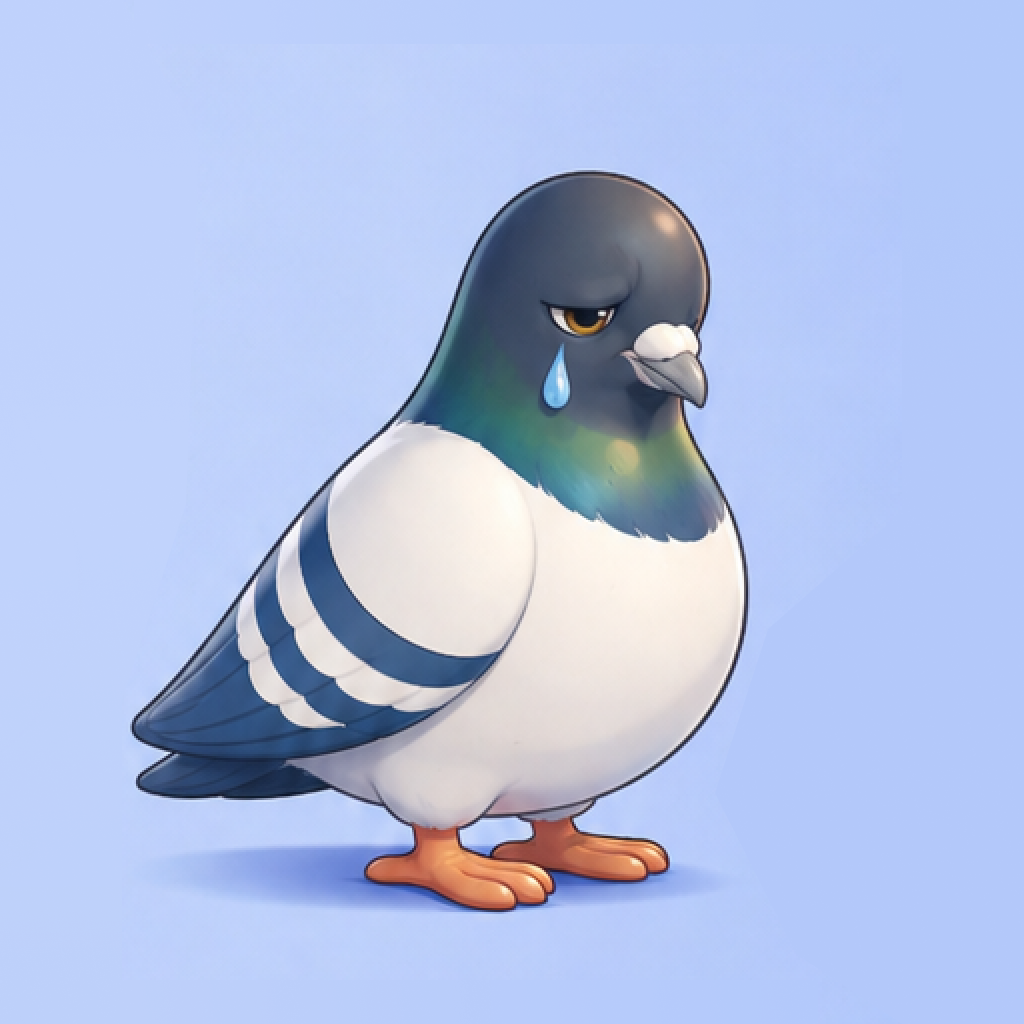
The Not-Done Feeling
He wasn't ready. He wasn't done. He hadn't even done the big jump yet.
Smidgeon stood very still at the edge of the puddle. The not-done feeling was big and heavy and real.
He did not move.
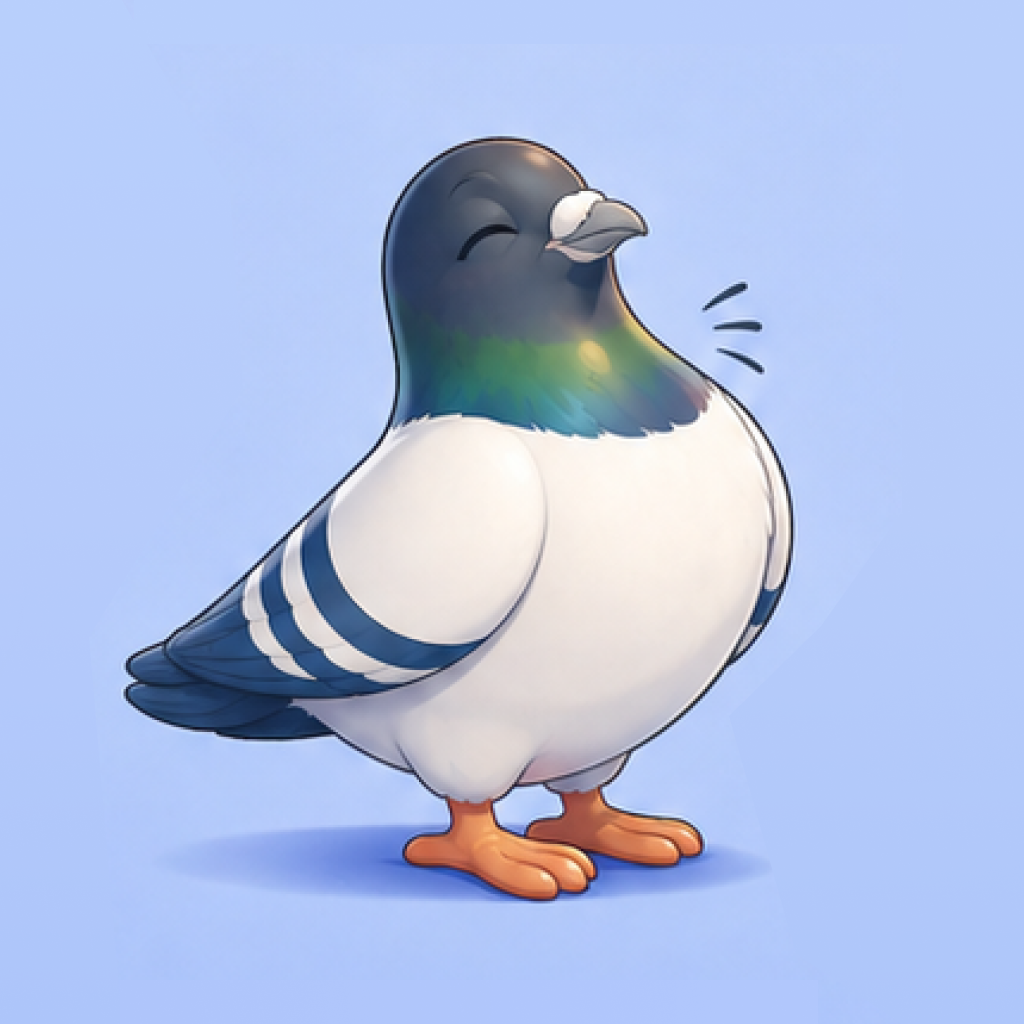
The Bridge
Pip sat down next to him.
Smidgeon looked at Pip. He thought about it. One more jump. The best jump.
He backed up. He ran forward. He jumped as high as he could — and the splash went everywhere 💦✨.
He shook the water off his feathers. He felt the not-done feeling get smaller 🌤️.
And he walked away from the puddle.
He was already thinking about coming back tomorrow.
This one is called The Goodbye Ritual. You're going to create a small, repeatable ending together — something that signals: this thing is done, and that's okay, and something else is coming.
The first time your child does the ritual without being prompted — on their own, before you even say it's time to go — that's the moment the bridge has become theirs. Not compliance. Internalization. That's the whole goal.
Answer whatever feels most true. No right answers. Messy is useful. A single sentence is enough.