
Try Again.
What happens after you say the wrong thing — and how to come back.

Here's something I want you to sit with: repair is not just something you teach your child to do. It's something you model every time you do it yourself. The most powerful thing you can do for their emotional development this week is not the activity — it's what happens the next time you say the wrong thing to them, and you go back and say so.
Not a big production. Not a long explanation. Just: "I said that in a way that wasn't kind. I want to try again." Watch their face when you do it. That face is everything.
Children this age are concrete learners. They absorb what they see far more than what they're told. When you repair with them — out loud, imperfectly, genuinely — you're showing them that repair is what people do. Not perfect people. Not other families. You. Which means they can too. The shame that makes repair so hard in adults is almost always learned from watching the adults around them refuse to do it.
Let your child see you repair with someone else — your partner, a friend, even them. Don't explain it. Just do it out loud where they can hear. "Hey — I was short with you earlier and I didn't need to be. I'm sorry." That sentence, overheard, does more than any conversation about apologizing ever could.
The Wrong Thing
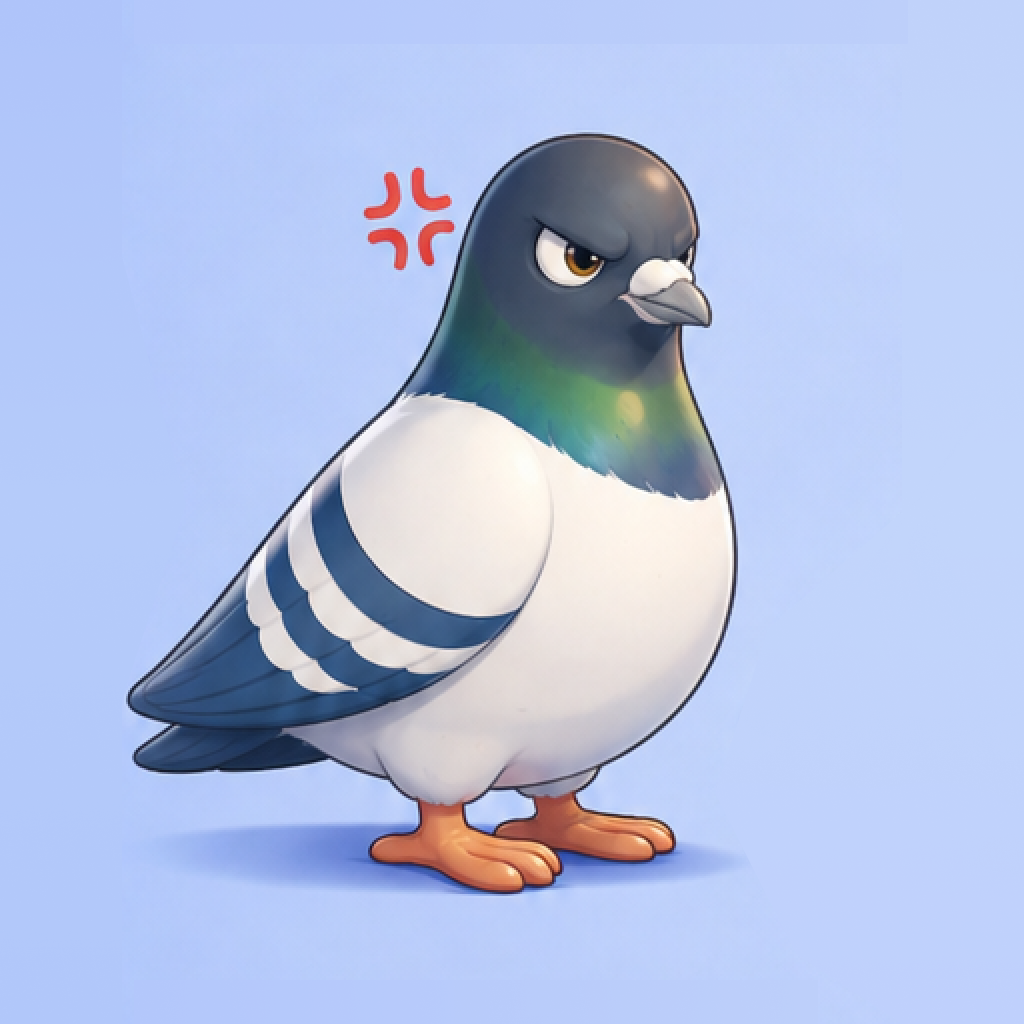
Smidgeon did not mean to say it. But he said it anyway 😬.
Pip had built a picture out of sticks and leaves and one very good feather 🪶 she found near the fountain. She was proud of it. And Smidgeon looked at it and said —
Pip's face went very still.
Smidgeon knew immediately. He had said the wrong thing.
The Sitting With It
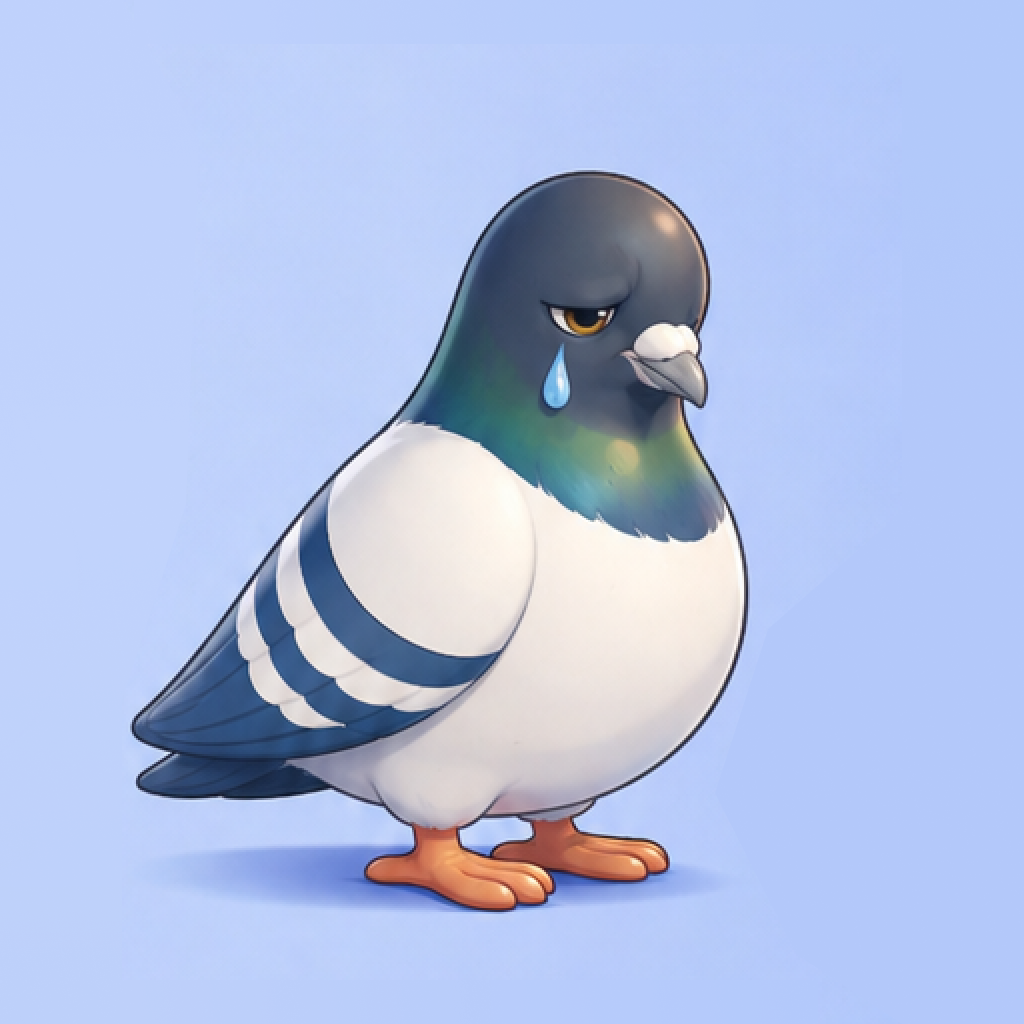
Pip walked away and sat by the big tree. She didn't look at Smidgeon.
Smidgeon stood where he was. The wrong thing was just hanging there in the air between them 😶.
He stood there for a long time.
The sorry didn't get easier the longer he waited. It just got heavier.
The Try Again
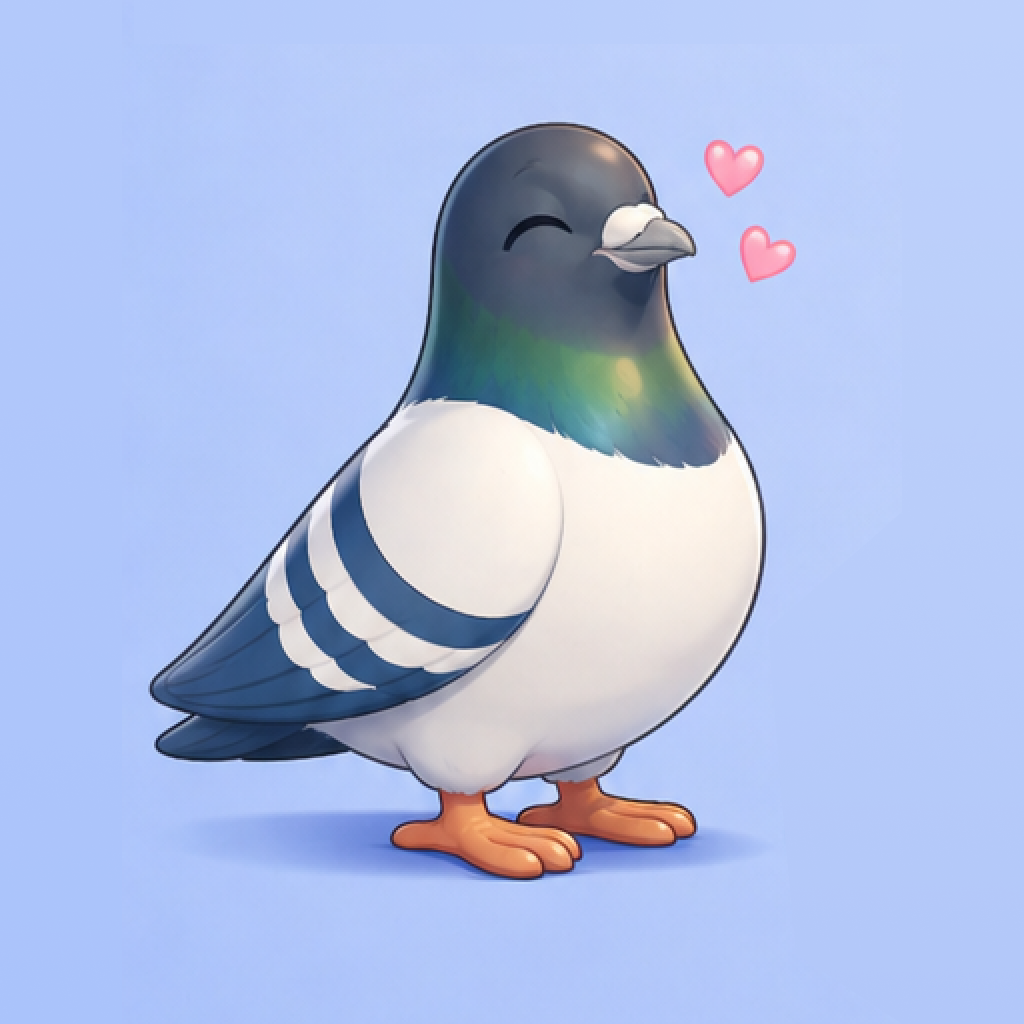
Smidgeon walked to the big tree 🌳. He sat down next to Pip. Not too close. Just close enough.
For a minute, neither of them said anything.
Then Smidgeon took a breath 🌬️.
Pip looked at him. A long look.
The wrong thing was still there. But now there was something else, too.
The try again. And the try again was bigger.
This one is called Try That Again. It's a simple game that makes repair feel like a skill — something you practice — not a punishment or a performance.
Notice whether your child relaxes when you model the repair — their shoulders, their breathing, their face. Relief is the emotion that repair produces. When they feel that relief, they're learning something that will travel with them: ruptures don't have to be permanent. People can come back to each other.
Answer whatever feels most true. No right answers. Messy is useful. A single sentence is enough.