

Anger With a Friend.
What to do when the feeling is big and the person matters.

When your child hits or shoves a friend in anger, the instinct is to make them apologize immediately. I get it. But here's what I've seen in 16 years of classrooms: the apology that comes before the feeling has been processed means nothing — to either child. What your child actually needs in that moment is a second to let the hot thing get smaller. That's not avoiding accountability. That's teaching them what to do with the feeling before the behavior takes over.
The anger itself isn't the problem — anger is a completely normal, healthy emotion. What 3–5 year olds are still learning is that there's a gap between feeling angry and acting on it. That gap — even a 10-second gap — is a skill. It has to be practiced, noticed, and named when it happens.
When you see anger building — before behavior happens — narrate it out loud: "I can see that mad coming up. What does it feel like in your body right now?" You're giving them a 10-second bridge between the feeling and what they do next. That bridge is the whole skill.
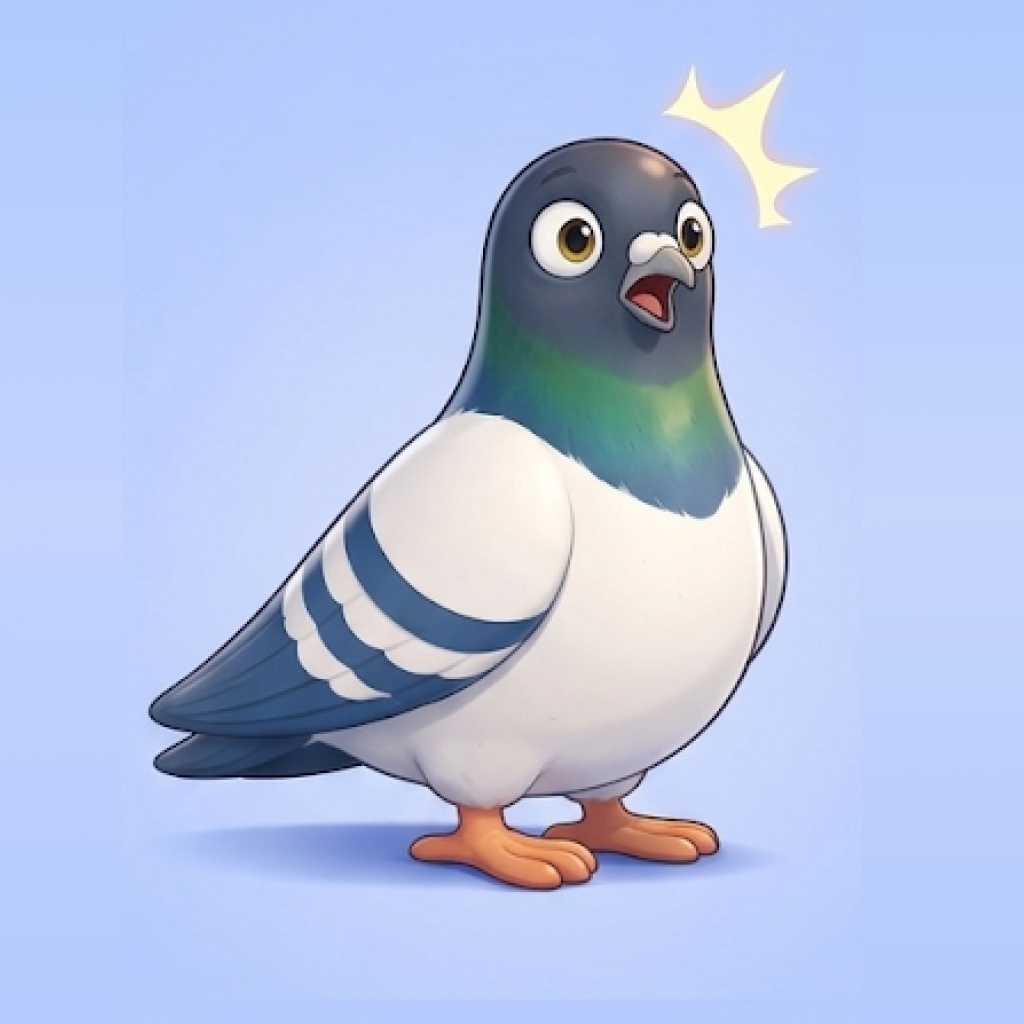
The Tower
Smidgeon had been building his tower 🧱 for a very long time.
Block by block. Careful. Slow. He was almost at the top.
Then Pip bumped it. It wasn't on purpose. Pip didn't even see it happen. But the tower fell — every single block — all the way to the floor 💥.
Smidgeon stared at the blocks. Something 🔥 hot started in his chest.
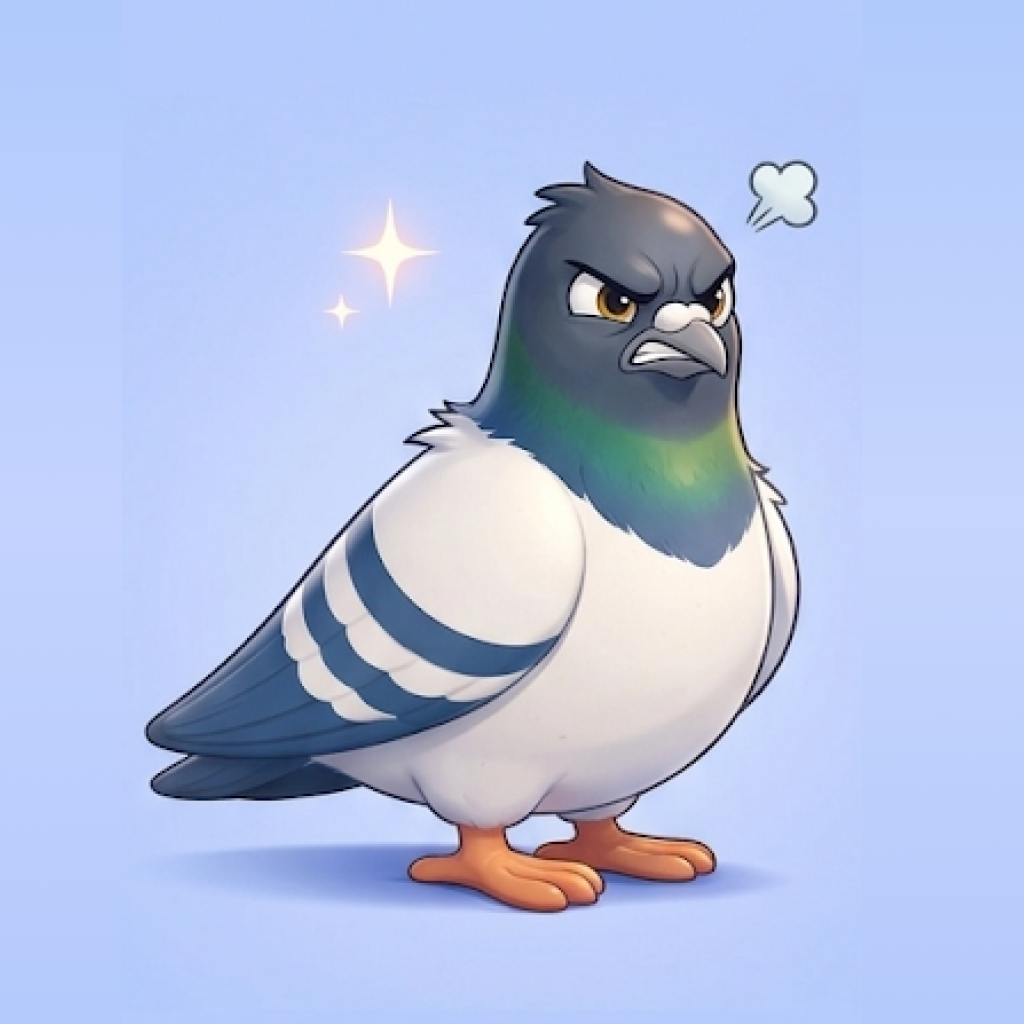
The Feeling
He wanted to push Pip. He really, really wanted to push Pip.
He didn't push Pip.
But he didn't say anything either. He just stood there, feathers puffed, staring at the blocks. Pip looked scared.
The mad was real. It was okay to be mad.
But Smidgeon also knew — somewhere underneath all the hot — that Pip hadn't meant to.
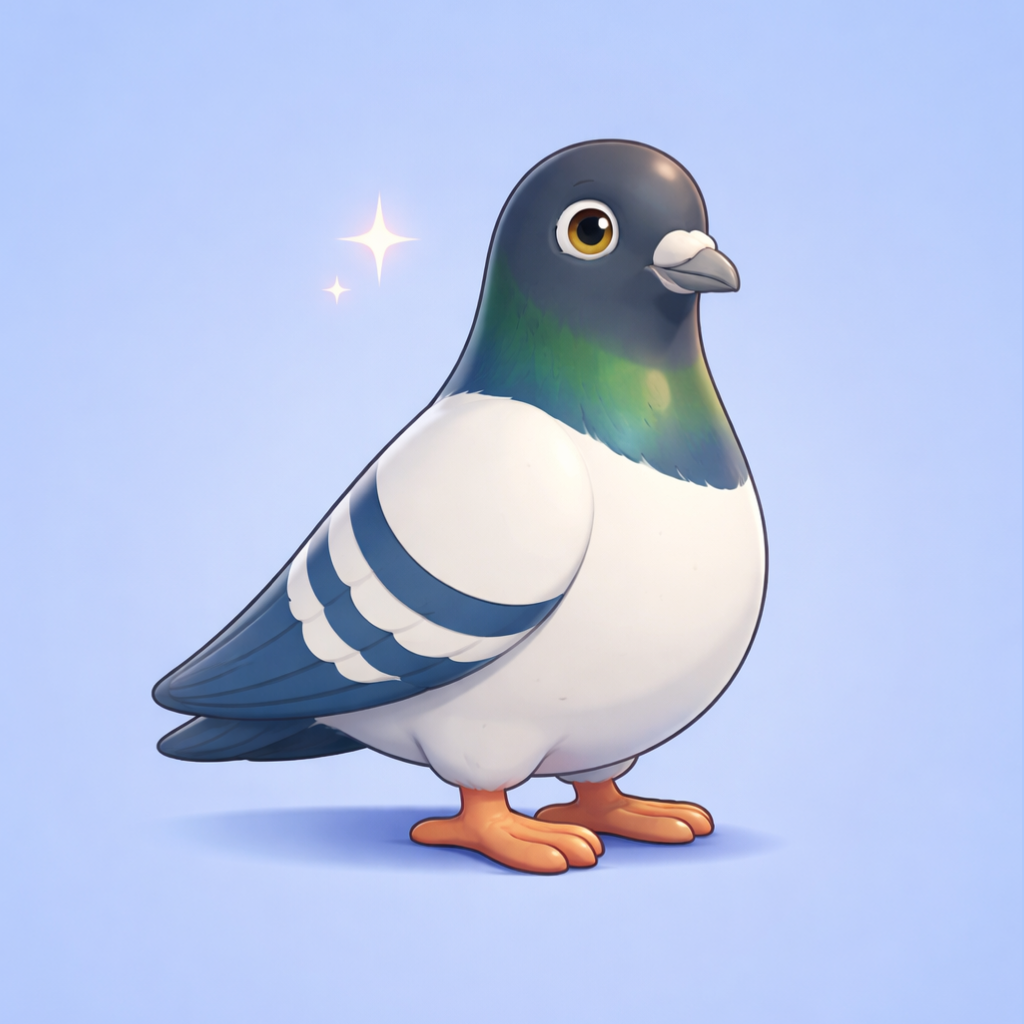
What He Did Instead
Smidgeon walked to the window. He put his face near the cool glass 🪟. He breathed in once. Out once. In again.
The hot thing in his chest got a little smaller ❄️. Not gone. Just smaller.
He turned around. Pip was still there, looking at the blocks 🧱.
Then, slowly, Smidgeon picked up the first block. Pip picked up the second one.
They built it higher than before.
This one is called The Mad Map. You're going to help your child learn where anger lives in their body — so they can feel it coming before it takes over.
The moment they describe their anger in their own words is the moment it becomes something they can start to manage. You're helping them build a map of themselves. That map is what they'll use — imperfectly, slowly, with lots of practice — for the rest of their life.
Answer whatever feels most true. No right answers. Messy is useful. A single sentence is enough.