

I Did My Best.
The destination: resilience, grace, and knowing when enough is enough.

We've come a long way together — six weeks of hard moments, big feelings, imperfect repairs, and small breakthroughs. I want to end here, with this: the goal of everything we've built is not a child who always handles it well. It's a child who can feel the hard thing, sit with it, and come through it knowing they did their best. That's the whole compass. That's what I did my best means.
And I want to say it to you too: you showed up for six weeks. You tried things that felt uncomfortable. You reflected honestly. Whatever happened — the weeks that went beautifully and the ones that went sideways — you did your best. That matters.
The ability to hold two true things at once — I didn't win AND I tried hard — is genuinely sophisticated cognitive work. It requires emotional regulation, self-awareness, and the ability to resist the all-or-nothing thinking that floods the brain when disappointment hits. Children don't arrive here on their own. They arrive here because someone beside them said: both things can be true. That someone has been you, every week, in the small moments. This is what it looks like to build a moral compass from the inside out.
At the end of any hard day — yours or theirs — ask: "Did you do your best today?" Not: did you win, did you get it right, did you behave. Just: did you try? Let yes be enough. Let them hear you say it about yourself too. That's the compass. It points here.
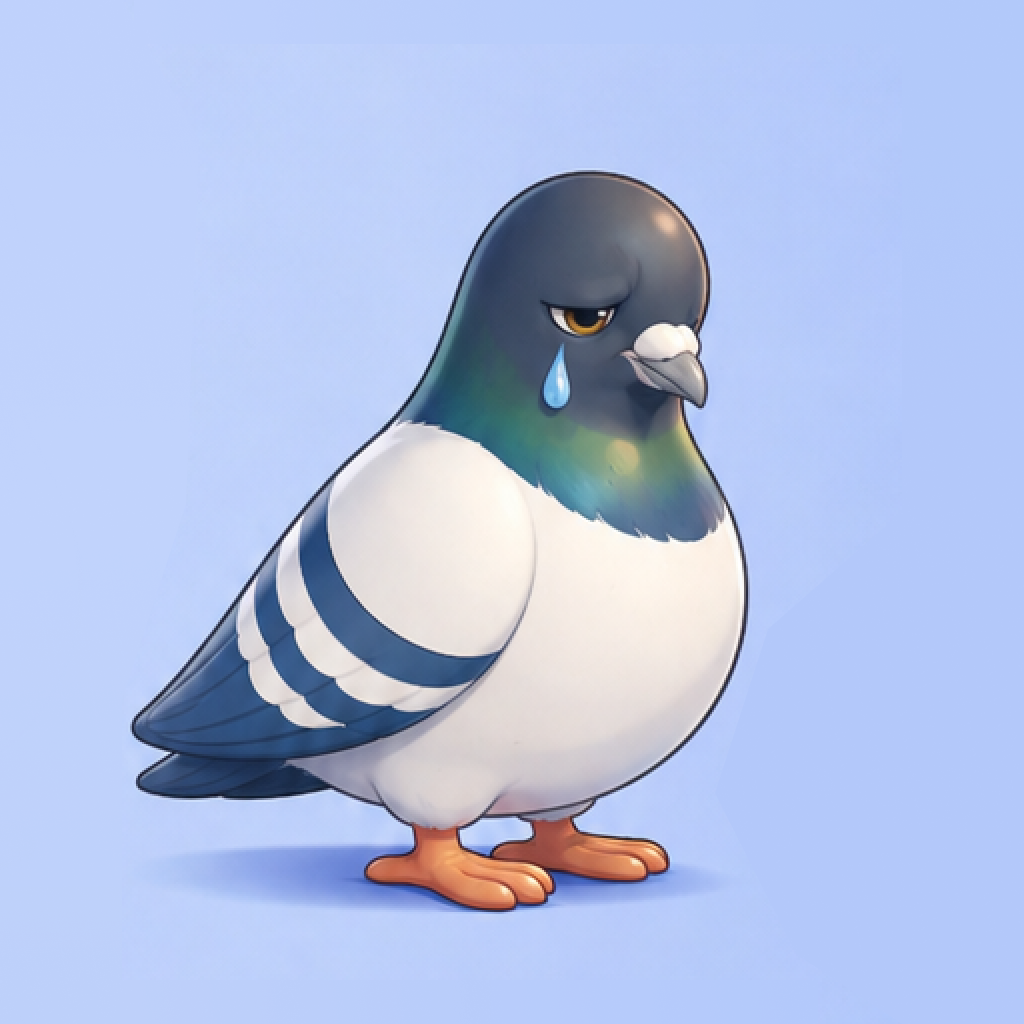
The Race
All the pigeons were going to race 🏁 to the fountain ⛲ and back.
Smidgeon wanted to win. He had been thinking about it since breakfast. He stretched his wings 🪶. He lined up at the start. He was ready.
Then the race started. And Smidgeon ran as fast as he could. As fast as his small grey legs would go.
He did not win 🥉.
He came in third. Then everyone stopped running and started talking about something else, and the race was just... over.
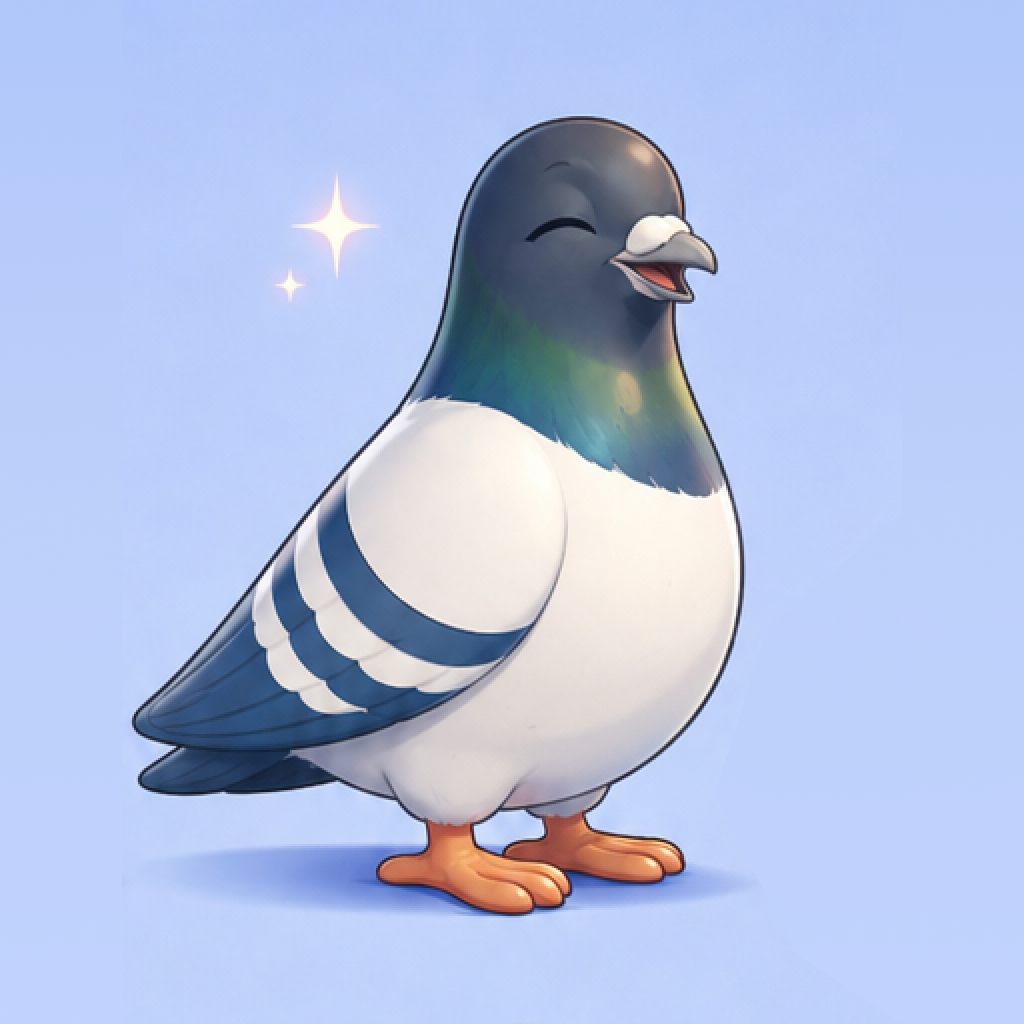
What He Remembered
He sat there for a while. The heavy feeling stayed.
And then, slowly, he started thinking.
He had not stopped.
Even when he could tell he wasn't winning, he had kept going 💪. All the way to the fountain and all the way back.
He thought about that for a minute. The not-stopping. That had been hard to do.
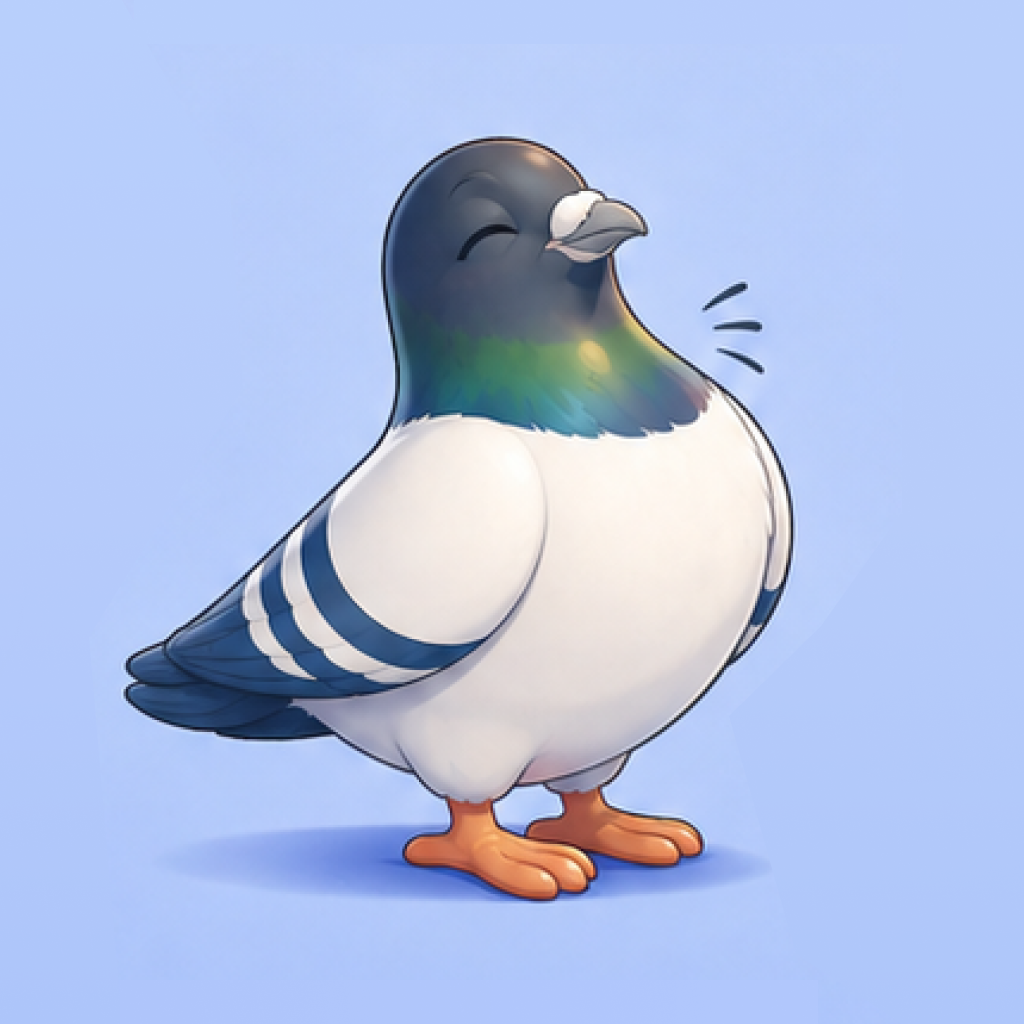
I Did My Best
Pip walked over and sat next to him.
Smidgeon thought about the not-stopping ✨. About his small grey legs going as fast as they go.
Not winning still felt bad. That was true.
Doing his best was also true.
Both things were true at the same time.
And Smidgeon was learning that was okay.
This final activity is called My Best Moments. It's a reflection — not on what went perfectly, but on what your child is proud of trying. It's the closing ritual for the whole six weeks.
Notice whether your child can say "I did my best" without qualifying it — without "but I didn't win" or "but I messed up." That ability to let it be enough, just as it is — that's the whole six weeks in one moment. If they can't do it yet, that's okay. You'll practice it together for years. You've already started.
Answer whatever feels most true. No right answers. Messy is useful. A single sentence is enough.