

Too Much at Once.
What to do when everything feels like too many things.

When your child melts down in a loud, busy place — the grocery store, a birthday party, the playground — the instinct is to pick them up, talk them through it, or get them out fast. I understand. But there's one thing I've seen work more reliably than almost anything else in 16 years of classrooms: get low.
Physically lower yourself to their eye level. Don't tower above them. Don't reach down. Come all the way down. Get small with them.
When a child is overwhelmed, their nervous system is in genuine alarm. Your nervous system — calm, regulated, present — is the most powerful tool you have. You can't talk a child out of overwhelm. But you can lend them your calm. This is co-regulation, and it works through proximity and presence, not words. Getting low signals: I'm here. I'm not scared of this feeling. You're not in danger. The calm travels.
Practice getting low before you need it. Tonight, when things are calm, get down to your child's eye level and just talk to them from there for a minute. Let their body learn what it feels like when you come down to them — so when the hard moment comes, it's already familiar.
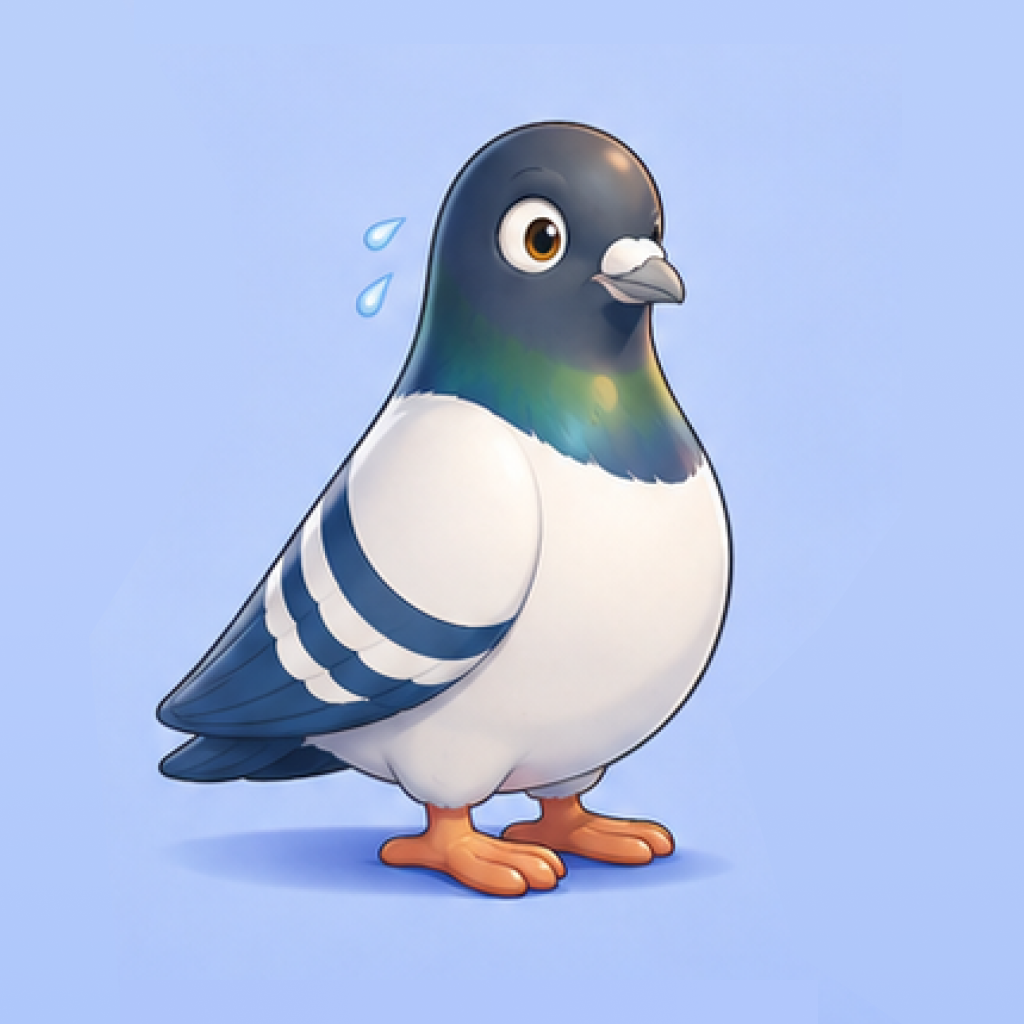
Too Much
The park was very loud today 🌳.
There were pigeons everywhere. And people. And dogs. And a child with a whistle 🎵. And someone playing music. And a bus going by 🚌. And —
Smidgeon stopped walking.
His brain felt like it was full all the way up.
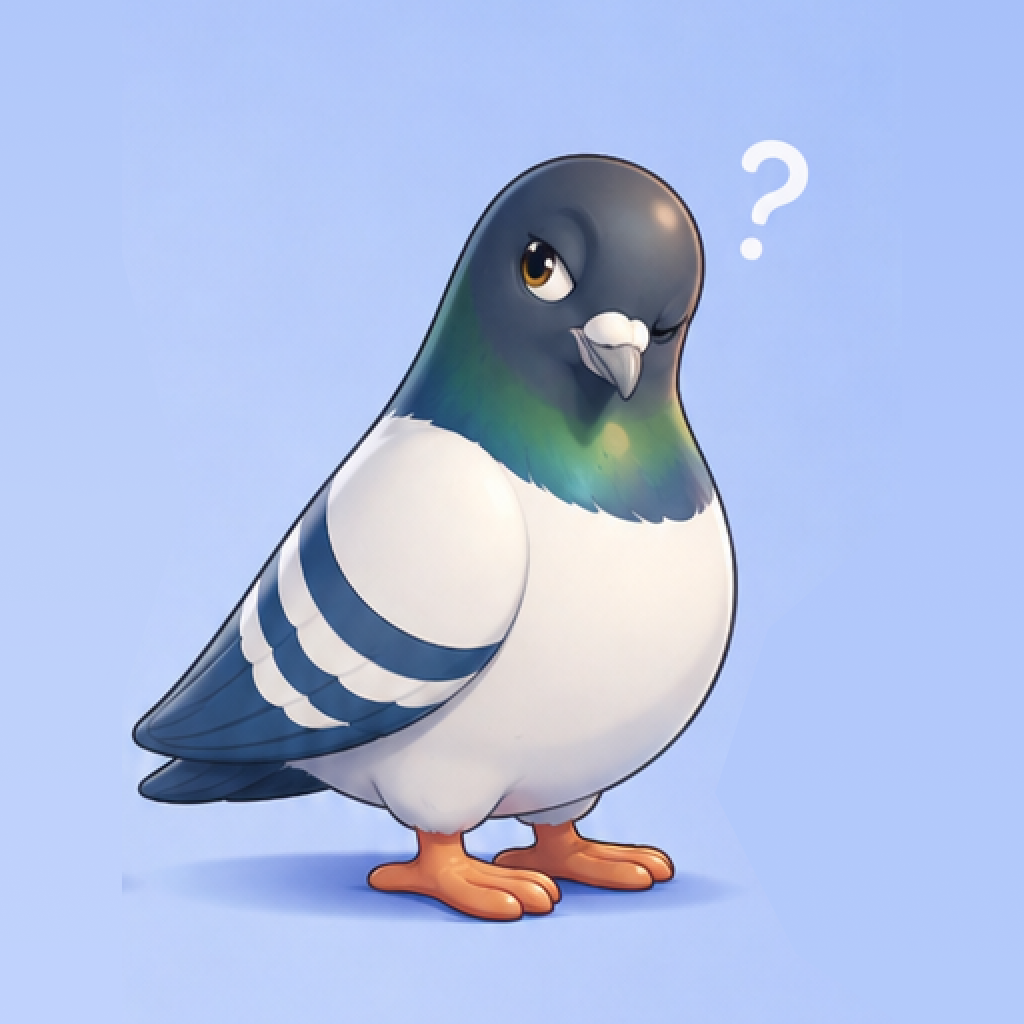
Stuck
A bigger pigeon walked past him. Then another. They didn't notice.
Smidgeon wanted to fly away 🕊️. But he couldn't remember how to make his wings work.
He wanted to say something. But he couldn't find any words.
He just stood there. Frozen. In the middle of too much.
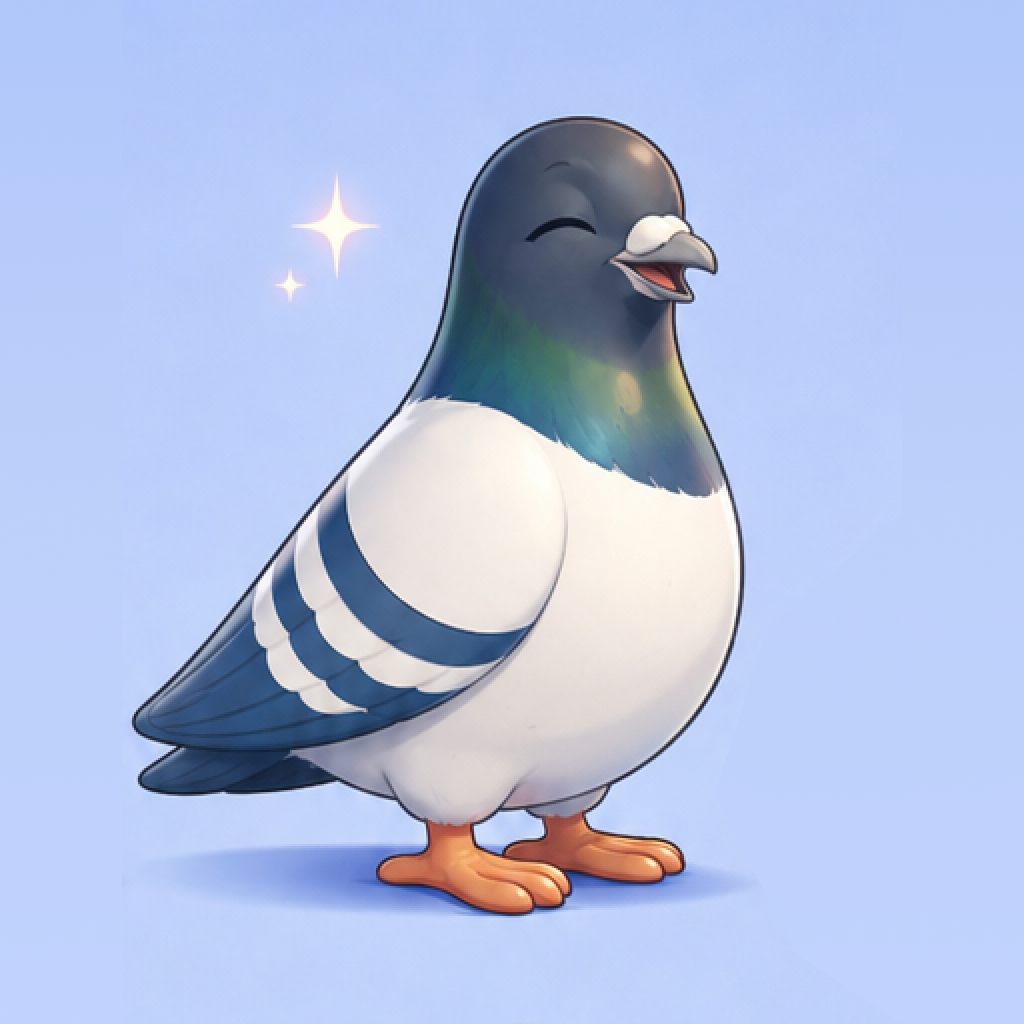
Someone Got Low
Then Pip was there 🫂.
Pip didn't say anything at first. She just came and stood next to Smidgeon. Close, but not touching. Quiet.
He didn't say it's okay. He didn't say let's go. He didn't try to fix it.
He just stayed.
After a while, the too-much got a little smaller 🌤️. Not gone. Just smaller. Smidgeon breathed out slowly. His wings loosened, just a little.
But he wasn't frozen anymore.
Pip was still there. That was enough.
This one is called Get Low. It works best when you practice it before you need it — so it's already in both of your bodies when the hard moment arrives.
The first time you use Get Low in a real moment — watch their face. You may see a small exhale. Shoulders dropping. Eyes softening. That's their nervous system recognizing: I'm not alone in this. That moment is everything.
Answer whatever feels most true. No right answers. Messy is useful. A single sentence is enough.